‘It’s too late’: Gangs recruiting Cape Town primary-school children, warns former gang leader
Magadien Wentzel, a former 28s gang leader, warns that gangs are recruiting Cape Town children before high school, exploiting violence, poverty and their search for belonging.
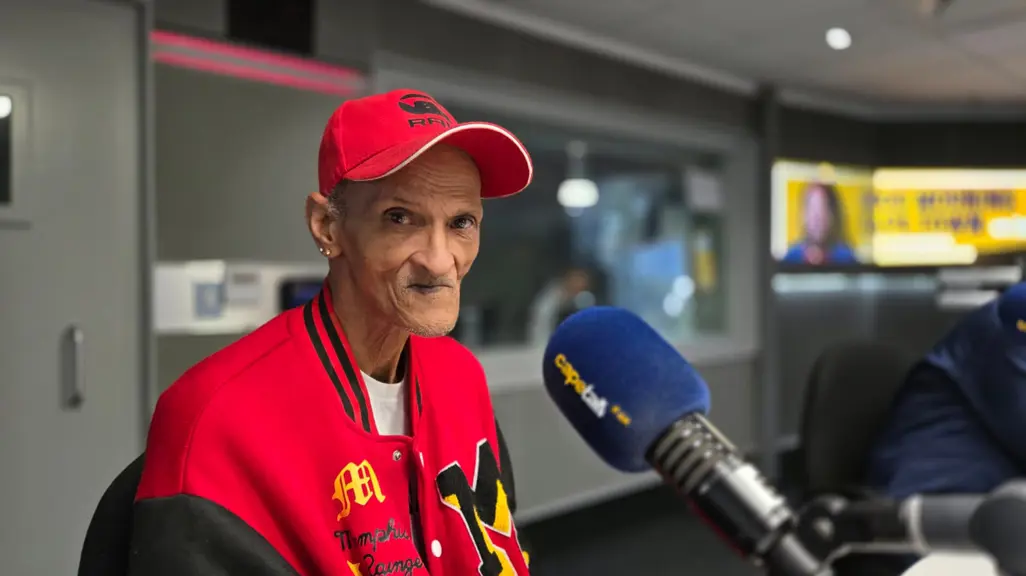
Former 28s gang leader Magadien Wentzel warns that gangs are recruiting Cape Town children as young as primary-school age, with intervention needed before they become deeply entrenched in gang networks.
Cape Town's gangs are targeting children from an increasingly young age, with violence and bullying in their homes, early childhood centres and primary schools potentially creating recruitment opportunities long before teenagers become involved in crime.
Magadien Wentzel, a former leader of the 28s prison gang who spent 25 years incarcerated, says intervention is needed far earlier than many people realise, warning that waiting until children are teenagers could already be too late.
Speaking to CapeTalk's Lester Kiewit, Wentzel described how violence can escalate from bullying and fights among young children to increasingly dangerous behaviour, while gangs exploit their vulnerability, their need for belonging and their desire for status.
“It's too late. It's too late,” Wentzel said when asked whether intervention programmes aimed at teenagers were already missing the opportunity to prevent gang involvement.
Wentzel is now working with Khulisa Social Solutions, using his own experiences and research to help understand and prevent violence among vulnerable children and young people in the Western Cape.
Related articles:
— How stone-throwing children are being drawn into Cape gang culture
— Children as young as eight allegedly recruited by gangs in Manenberg
— Unique initiative launched to prevent young boys from joining gangs in Hanover Park
Gangs are targeting children before high school
Wentzel said the recruitment process can begin well before children reach secondary school, with violence becoming normalised as they grow up in difficult household and community environments.
His research, he said, has led him to warn about the increasingly young age at which children are exposed to violence.
He described a progression in which bullying and fighting at early childhood centres can escalate at primary school, with children being robbed of their lunches, fighting and even stabbing one another with pencils.
As the behaviour spills into the streets, he said, children may begin using stones, branches and other objects to attack one another.
“This is when the gangs recruit them,” Wentzel said.
The violence, however, does not necessarily begin on the streets or at school.
Wentzel said domestic abuse, gender-based violence and other forms of abuse in children's homes can contribute to the environments in which violent behaviour develops.
“The real violence starts at the home. Domestic abuse, gender-based violence. Children grow up with all those effects in the home,” he said.
The search for belonging can make children vulnerable
Wentzel's own life reflects some of the experiences he now describes in his work with vulnerable children.
Born during apartheid, he said he was separated from his mother shortly after birth because of the circumstances in which she lived and worked. He grew up experiencing emotional, verbal and economic abuse, as well as deprivation.
He described growing up without the comforts and opportunities available to other children, often receiving hand-me-down clothes and shoes.
“I always got the cheapest,” he said, reflecting on his childhood.
The search for belonging, acceptance and a sense of identity can become particularly powerful for children growing up in circumstances where those needs are not met at home.
Kiewit reflected on Wentzel's own experience of seeking brotherhood and a male role model, and how those needs ultimately contributed to his involvement in gangs.
Wentzel agreed that children growing up in similar circumstances can be drawn towards gang members who offer them a sense of belonging, status or material rewards.
He also pointed to the attraction of branded clothing and shoes among young people.
Children from more privileged backgrounds may have access to expensive brands, while others who cannot afford them may become vulnerable to gangs offering those goods.
“The gang offered them that. But at a price, you must remember,” Wentzel said.
The glorification of gangs adds to the problem
Wentzel and Kiewit also discussed the way prison gangs and their associated language, symbols and lifestyles can be glorified outside prison.
Kiewit said young boys can begin mimicking gang members they see as heroes, drawn to the perceived status associated with money, cars and weapons.
Wentzel said the transformation of prison gangs into street gangs has contributed to the way the number has become part of gang structures outside prison.
He described how the number's history, which was associated with resistance to oppressive prison conditions, evolved into a broader street-gang phenomenon.
The problem, he suggested, is that the symbolism and language associated with gangs can become familiar to children long before they fully understand the realities of gang life.
Wentzel also raised concerns about prison language being used in political discourse on the Cape Flats, arguing that language familiar to communities can be used to appeal to them.
Wentzel's own journey from student to gang leader
Wentzel's life was documented in Jonny Steinberg’s acclaimed book The Number.
He described how he had once been focused on becoming a lawyer, passing matric with a bachelor's pass and obtaining a scholarship to study law at the University of the Western Cape.
He said his ambition was partly driven by a desire to change his mother's circumstances.
But his journey took a different turn after he was arrested during the apartheid era.
Wentzel said he was arrested without committing a crime and sentenced without a trial under the Public Violence Act. While in prison, he said he made the choice to join the 28s.
He also described the conditions prisoners endured, including lice-infested bedding and poor food, and said the prison gangs had originally fought against oppression and harsh conditions.
Wentzel acknowledged that his own decisions played a role in his journey.
“I mean, that was all my choices,” he said. “Nobody forced me to do that.”
He spent 25 years incarcerated before his life began to change.
A second chance and a warning to intervene early
Wentzel said a tornado in Manenberg in the late 1990s, during which his son was nearly killed, became a turning point.
He described the incident as a wake-up call that prompted him to reform his life.
Today, he says his work with children is focused on prevention, including projects aimed at supporting underprivileged children during school holidays.
He described a Christmas project through which he gives presents to children, but said he also uses the initiative to reinforce behavioural expectations and accountability.
His message is that children need intervention, support and guidance long before they become deeply involved in gang networks.
The challenge, Wentzel's warning suggests, is that by the time a child reaches the police, courts or prison system, efforts to prevent gang involvement may already have come too late.
If gangs are recruiting children while they are still in crèche or primary school, the fight against gang violence cannot wait until they are teenagers.
Never miss a major story. Get breaking news and the latest developments from South Africa and beyond as they happen.