The dramatic fall of Jensen Huang: What resignation of Nvidia boss means for the AI industry
The tech 'wunderkind' has finally resigned amid the scandal of his extramarital affair with an alleged spy for China.
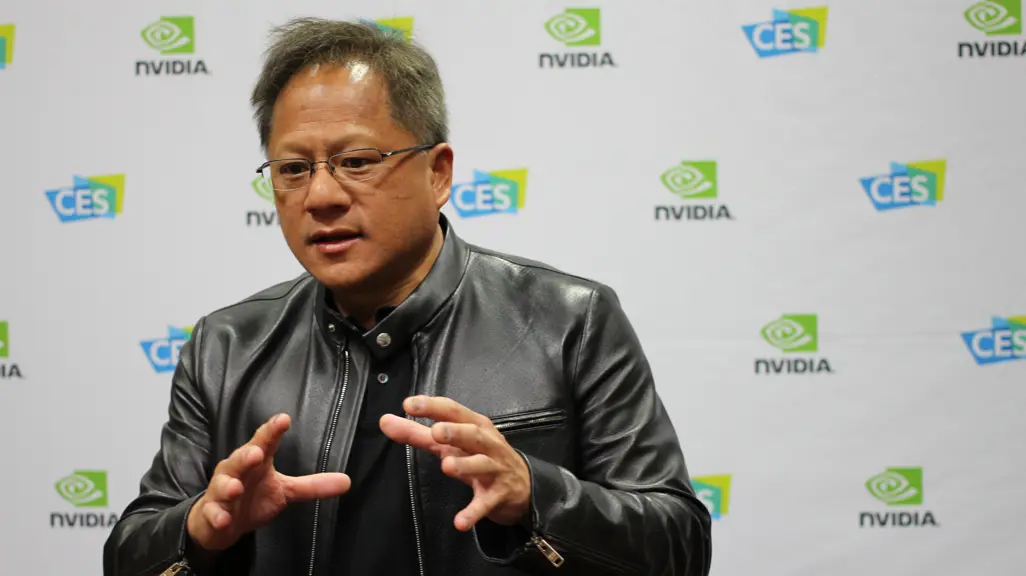
File image of Nvidia CEO Jensen Huang. Wikimedia Commons/ Maurizio Pesce
Nvidia CEO Jensen Huang has resigned amid the scandal of his extramarital affair with an alleged spy for China.
The New York Times reported late last month already that US intelligence officials had determined Alice Huang (no relation), a Chinese executive linked to Singapore-based data centre company Megaspeed, had been funneling information to Beijing.
RELATED: Nvidia fallout: When a CEO's scandal becomes a company crisis
The billionaire co-founder of the US tech giant is now said to also have had an affair with a Nvidia executive who reports to him.
CNBC is reporting this evening that Huang has agreed to testify before Congress following his resignation.
His departure from Nvidia has been termed 'a stress test for the AI boom' by market expert Stephanie Balaouras from research firm Forrester.
Stephen Grootes discusses the implications for the AI industry with Mark Nasila, Chief Data and Analytics Officer at First National Bank (FNB) Risk.
Trying to encapsulate Huang's contributions to the technology world, Nasila says he is regarded as the architect of the AI revolution because he's credited with seeing the potential of graphics processing units (GPUs), and how they could handle complex tasks.
"He's also actually behind the hardware foundation that led to the likes of ChatGPT being founded. We know he's redefined the role of data centres and AI factories and even the context of sovereign AI, where he said that no nation or organisation would be able to survive the future if it outsourced the processing of its intelligence."
With Nvidia chips at the core of driving data centres and potential AI factories, Huang's exit from the company is now likely to open up conversations about the actual need for this development, Nasila says.
"We're at the point where if something more goes wrong (like another cyber hack by an AI bot), it could lead to more reputational risk. And there are now studies that question whether we do need data centres if some of the small language models can actually perform some of the tasks the large language models - supported by these massive data centres, can do."
Scroll up to the audio player to hear more insight from FNB's Mark Nasila