Your Weekly Touch Up is 'intentional about profiling alternative music in SA'
'We created this out of a need for platforms for ourselves. We needed more stage time for ourselves. So we created a platform that gave us that, and then it grew beyond us,' said one of organisation's founders,' Lwandile Nkanyuza.
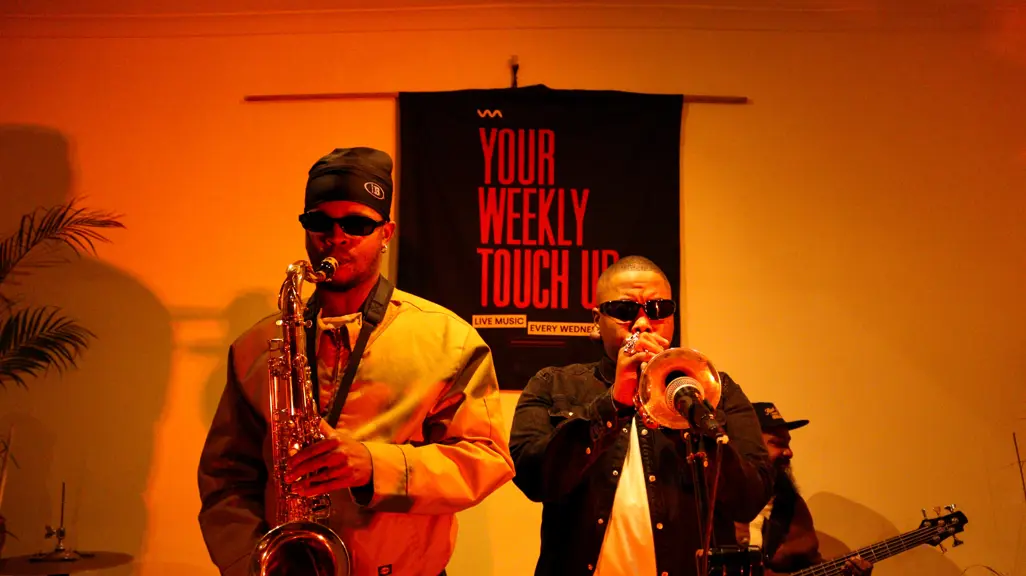
Your Weekly Touch Up music event. Picture: Supplied
With over 300 artists platformed since 2023 at its weekly Wednesday music events series in Johannesburg, the platform, Your Weekly Touch Up, continues to create a space where artists can gain the experience and information they need to build sustainable careers.
Creatives on the alternative side of music in the country have often found themselves unendorsed, with little to no support from bureaucratic structures and the private sector, and where support does exist, the entry level for assistance can be unattainable.
A group of three young people passionate about the arts, founders Lwandile Nkanyuza, Tebogo Mosane and Mkusile Bandezi, set out to contribute to the industry they are part of, and in doing so created an ecosystem that many artists are now leveraging.
WHAT DO THEY DO?
A platform created to solve a problem the founders faced as musicians quickly became a solution for many alternative artists facing similar challenges.
Chief among these: not enough stage time and not enough of an audience, which meant they weren't seen as a viable addition to lineups for major events, simply because they weren't known.
"We created this out of a need for platforms for ourselves. We needed more stage time for ourselves. So we created a platform that gave us that, and then it grew beyond us," said Nkanyuza.
Your Weekly Touch Up has built an ecosystem that helps artists develop sustainable careers through several educational elements.
Every show opens with an hour-long panel discussion, where industry experts share their knowledge with an audience that, in most cases, includes people already working in the industry who get to listen and ask questions of the guests.
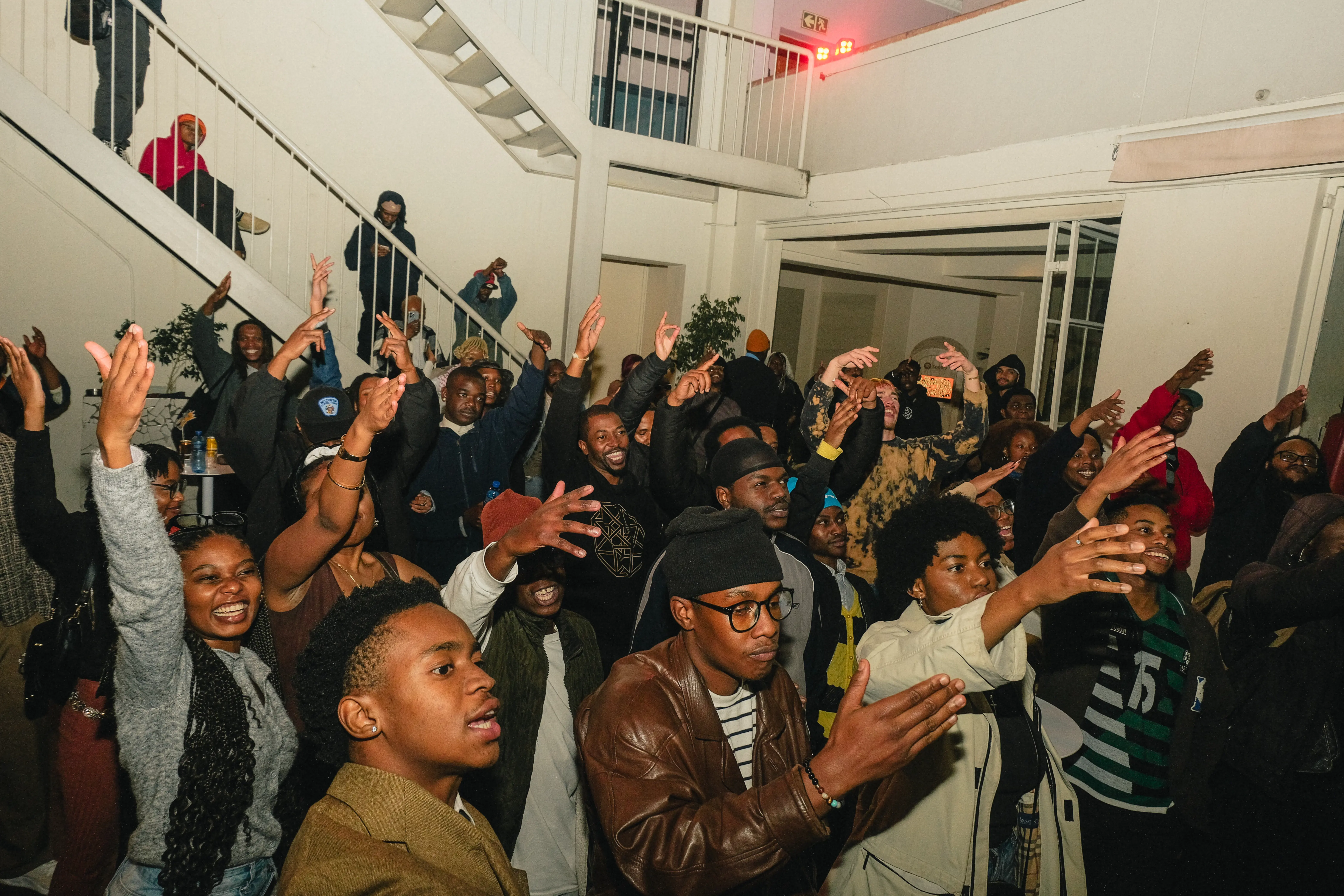
As an unticketed event on a not-so-conventional night for live shows on Wednesdays, the founders say this was an intentional strategy: a way to draw an intentional crowd.
Not an audience that happens to show up because it's an after-party spot or just somewhere to be on a weekend, but one where the person walking through the door has had to make some kind of sacrifice to be there, whether that's their time, given the next day is a workday, or simply choosing to show up after clocking off work.
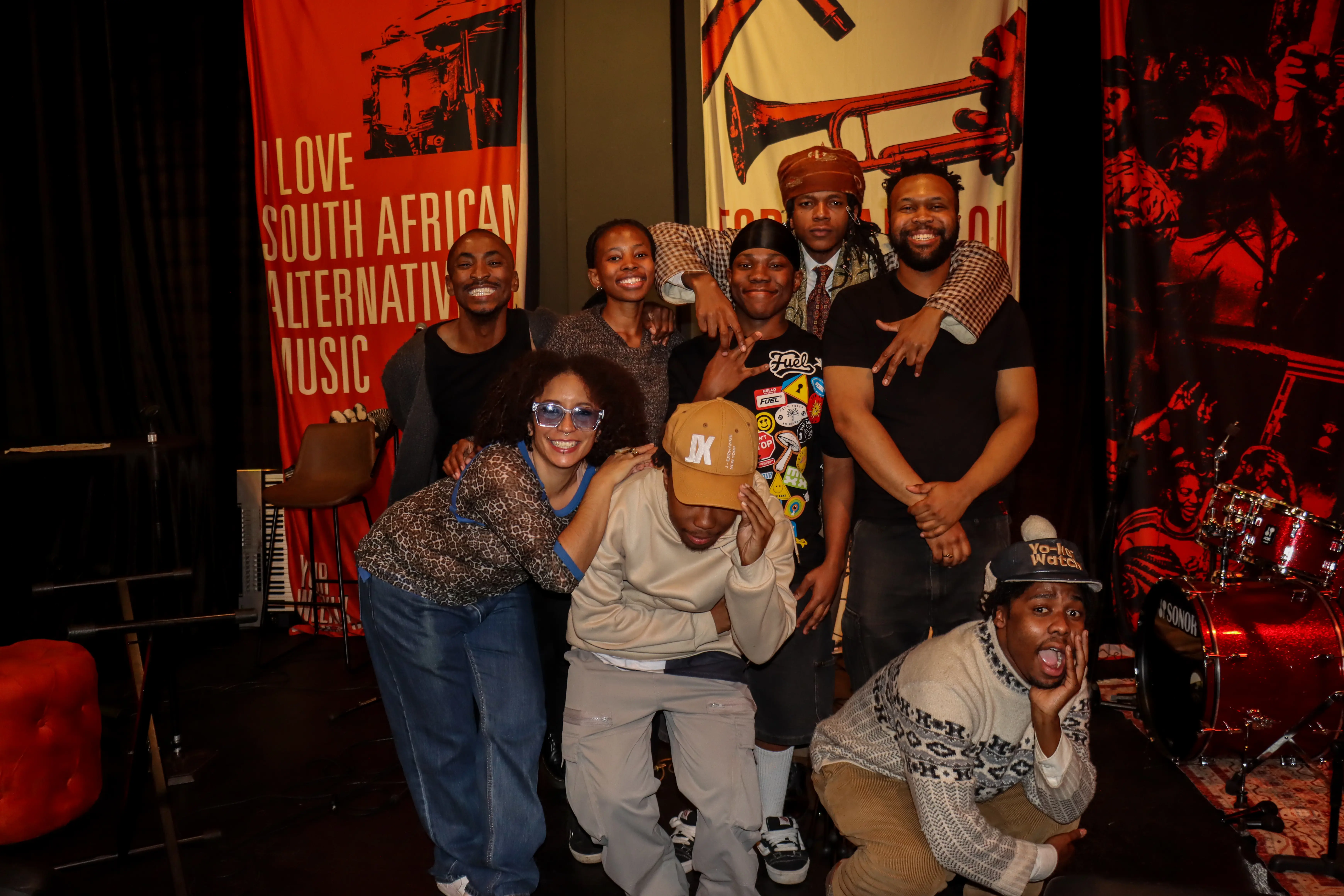
"We were quite intentional about profiling local South African alternative music, especially from his side- songs you don't hear at grooves or in the mainstream. That's always been his thing," explained Mosane.
INTERVENTION OF THE STATE IN THE INDUSTRY
The industry is marked by challenges that make a creative career path more difficult to navigate than in other sectors.
According to the 2022 Cultural and Creative Industries (CCI) Masterplan, there are overlapping structural, financial and operational challenges that hinder the growth, transformation and long-term sustainability of creatives.
It cites several of these challenges, including labour vulnerabilities, co-dependency on public funds, delayed public disbursements, inadequate intellectual property training, unprofessional contractual relations, and the dominance of foreign content, among other factors.
Speaking to some of the issues they've identified, the founders say there is a deficit of understanding between artists and government, and a lack of policy protection for musicians.
"There's a big language barrier between the arts and government organisations, and I think the first thing that needs to be adjusted is bridging that language barrier, bringing them into the panel discussion.
"And then, something that allows artists to sustain themselves, because there isn't a starting salary for being a musician. There isn't a starting position for being a musician," said Nkanyuza.
As a means to address some of the challenges in the industry, the government has created the Mzansi Golden Economy (MGE) Strategy, which has more than 10 strategic work streams, including the Art Bank, Artists in Schools, and cultural events, among others.
But according to the South African Cultural Observatory review by Nelson Mandela University. It identified several serious loopholes, including the lack of a centralised, electronic database system to track and manage public funding distributed across the cultural sector, inconsistent rule enforcement and reporting of breaches, unreliable data collection, and programme guidelines that suffer from significant category confusion and lack clear eligibility criteria, among many other concerns.
Acting as a bridge for the many gaps artists face, especially in this niche part of the industry, the platform, as the founders describe, offers musicians what they need to further their careers.
"The vision is to do this forever. Government will catch up when it does, but we don't want to wait. That's our thing; we don't want to wait, as far as policymaking goes. And also, they (the government]) can't fix a problem they don't understand," added Nkanyuza.
THEIR CONTRIBUTION TO THE INDUSTRY
Having identified the challenges plaguing the sector, the group works to bring artists solutions, whether that's a platform to perform for an audience, teaching them the basic requirements needed for bigger stages, running information sessions, or even helping them apply for funding.
"You can't fix a problem you don't understand. They [government] don't have their hands on the ground to understand, and the entry level for these applications... most of the time, we apply on their behalf. Very few people have actually gotten through on their own; it's a very difficult entry point," explained Mosane.
Venturing into a new phase of the movement, the team says they will, for the first time, host a two-day festival built around unconventional concepts. The 6–7 November festival will be held at the Constitution Hill Women's Jail in Johannesburg and will feature more than one stage, each with multiple main acts mixed with emerging artists.
More than anything, the event is aimed at giving artists a festival experience to broaden their portfolios.
"A lot of other festivals want you to have festival experience before they'll even consider you, and that's how a lot of our guys fall off. We've had incredible performances on our stage from artists who are going to be rejected when it comes to applying for these festivals," explained Nkanyuza.
As they tread new water, the platform says that in building an ecosystem for artists and lovers of alternative music, they want to keep pouring into the industry not only for the artists who have already performed, but for the artists still to come.