Cold or flu? Dr Michael Mol explains what to do and when to worry
Cold or flu? Dr Michael Mol explains how to tell the difference, manage symptoms, protect your immune system and recognise the warning signs that mean it’s time to seek medical help.

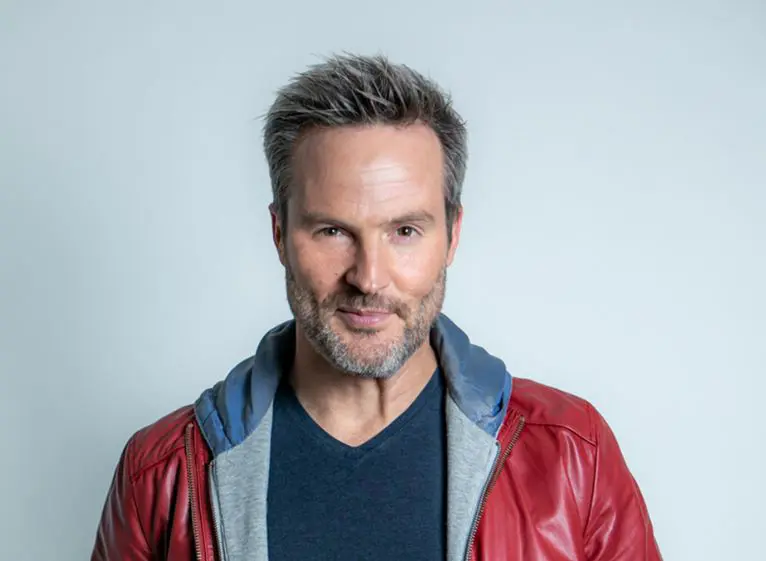
Cold or flu? Dr Michael Mol explained what to do when you're sick, how to manage symptoms and the warning signs that mean it's time to seek medical help. (Picture credit: milkos/123rf)
Is it a cold or flu? Knowing the difference can help you understand what is happening to your body, manage your symptoms and recognise when it is time to seek medical attention.
Dr Michael Mol broke down the science behind colds and flu, from how the immune system responds to infection to the practical steps that can help reduce the risk of getting sick.
He also explained what to do once symptoms appear, the role of common cold and flu medicines, why antibiotics do not work against viral infections and the warning signs that should not be ignored.
Also check out these Cipla Health Matters episodes by Mol:
— ADHD may look nothing like you think – why so many children and adults are being missed
— Carbs aren't the enemy: Dietitian busts gut-health myths you may still believe
— Tired after 8 hours of sleep? Dr Michael Mol explains why, and shares 5 things you can do about it
Cold or flu: How can you tell the difference?
Colds and flu are both viral infections, but understanding the distinction between them is important when deciding how to manage an illness and when to seek help.
Dr Mol explained how the body's immune system responds when it encounters an infection and why supporting that immune response matters.
The discussion also looked at the everyday factors that can influence immune health, including sleep, stress and nutrition.
Also check out these Cipla Health Matters episodes by Mol:
— Dr Michael Mol warns 6 hours of sleep could be damaging your brain and heart
— The '95% safer' vaping claim isn't backed by science, says lung specialist
— Dr Michael Mol and vaccine expert bust myths putting South Africans at risk

How sleep, stress and nutrition affect your immune health
Supporting your immune system is not simply about what you do after you become sick.
Dr Mol looked at the role of sleep, stress management and nutrition in supporting immune health, highlighting practical measures that can form part of a healthier approach to preventing illness.
The advice is straightforward: pay attention to the habits that support your body before illness strikes, rather than only thinking about your immune system once symptoms appear.
Also check out these Cipla Health Matters episodes by Mol:
— Dr Michael Mol recommends daily habit to ease winter congestion
— Gerda Steyn tells Dr Michael Mol why recovery is the secret behind elite performance
— Dr Michael Mol reveals silver bullet against colds and flu
How can you help prevent colds and flu?
There are several practical steps people can take to reduce their risk of becoming ill or passing infections to others.
Dr Mol discussed the importance of:
— Getting enough sleep
— Managing stress
— Maintaining good nutrition
— Washing your hands
— Improving ventilation
— Getting a flu vaccination
These measures form part of a broader approach to reducing the risk of infection and supporting the body's ability to respond when illness occurs.
What should you do if you already have a cold or flu?
Once you're sick, the focus shifts from prevention to managing symptoms and giving your body the support it needs while it recovers.
Dr Mol explained how to manage common cold and flu symptoms and discussed the role of medicines commonly used when people are ill.
Cold and flu medicines can play a role in managing symptoms, but they do not change the underlying fact that the body still has to deal with the viral infection.
Understanding that distinction is important when deciding what medicines can realistically do for you.
Why antibiotics don't work against colds and flu
One of the key messages from Dr Mol is that antibiotics are not a treatment for viral infections.
Colds and flu are caused by viruses, while antibiotics are used to treat bacterial infections.
That means taking antibiotics for a viral infection will not treat the underlying illness.
Understanding the difference is important not only for managing an illness appropriately, but also for avoiding unnecessary use of antibiotics.
When should you stop self-managing and seek medical help?
Most importantly, Dr Mol explained that people need to know when their symptoms have moved beyond something they should simply manage themselves.
The discussion highlighted the importance of recognising red flags and knowing when to speak to a healthcare professional.
That means paying attention not only to the symptoms themselves, but also to how the illness is progressing.
If symptoms are concerning, worsening or otherwise suggest that something more serious may be happening, the appropriate step is to seek medical advice rather than continuing to self-manage.
The key message is simple: knowing how to manage a cold or flu is useful, but knowing when you need professional medical attention is just as important.
The bottom line
There is no single trick that guarantees you will avoid a cold or flu.
Instead, Dr Mol's advice focused on practical measures that can support immune health and reduce the risk of illness: sleep, stress management, nutrition, handwashing, ventilation and flu vaccination.
And if you do become sick, understanding how to manage symptoms, why antibiotics are not appropriate for viral infections and which warning signs require medical attention can help you make better decisions about your health.