Inflation at 4%: Soon we’ll pay even more for food, fuel and debt
South Africans already battling high fuel and food prices may soon face even more pressure as inflation climbs and interest rate fears return.
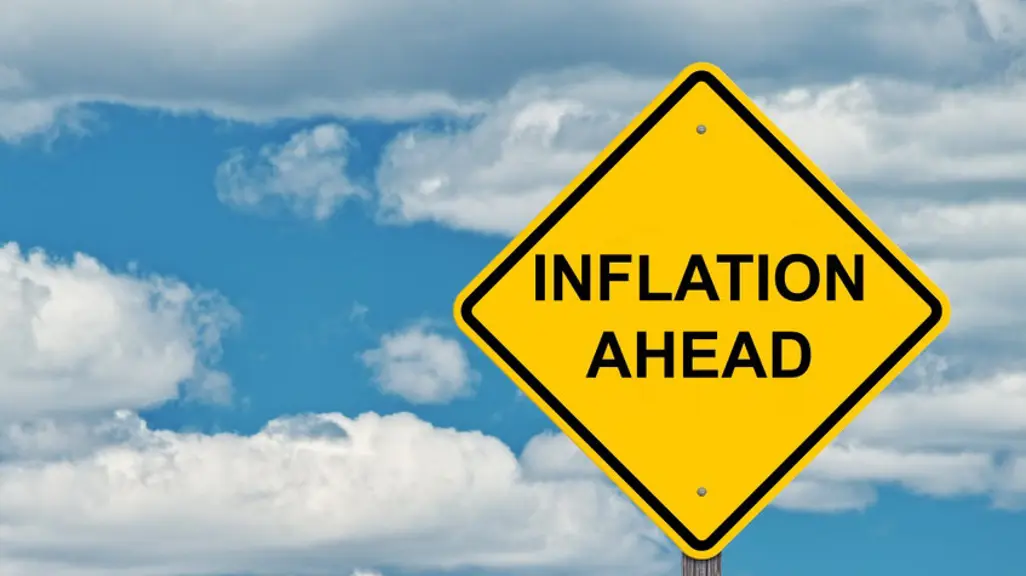
An inflation warning sign as rising fuel prices and higher living costs continue to put pressure on South African households. Picture: jjvallee/123rf.com
South Africans already struggling to make ends meet could face even more financial pressure in the coming months as inflation edges higher and fuel prices remain elevated.
That warning came during a personal finance discussion on 702, where Certified Financial Planner Paul Roelofse said households should prepare for rising living costs if global oil prices remain high.
The discussion focused on inflation rising to 4% and what that could mean for consumers already battling expensive food, transport and debt repayments.
RELATED: Hope for lower fuel prices as US and Iran edge closer to deal
Fuel prices remain a major concern
Roelofse said oil prices above $110 a barrel, combined with a weaker rand, were contributing to sustained pressure at the pumps.
He said many goods and services depended heavily on oil prices, warning that consumers could continue seeing extremely high fuel costs if global instability persists.
Diesel prices above R30 a litre were highlighted as an example of how sharply transport costs have increased. Those higher transport costs often filter through to food prices and other household expenses.
The concern is that inflation could continue climbing if fuel prices remain elevated.
What inflation means for consumers
Roelofse explained that inflation measures how much buying power consumers lose over time.
A 4% inflation rate means consumers effectively need R104 to buy something that cost R100 a year ago.
He said even relatively small increases in inflation could have a major long-term impact on household finances.
Using the “rule of 72”, he explained how inflation gradually reduces the value of money over time. At lower inflation levels, purchasing power erodes more slowly, but higher inflation rapidly cuts the value of savings and income.
Interest rate fears return
The South African Reserve Bank has previously used aggressive interest rate hikes to bring inflation down.
Inflation had eased to around 3% after those increases, giving some relief to borrowers as interest rates stabilised. But Roelofse warned that rising inflation will eventually force the Reserve Bank to tighten policy again.
He said the Reserve Bank closely monitors inflation and may consider future interest rate hikes if inflation moves beyond its target range.
That could place additional pressure on consumers already struggling with debt repayments, home loans and credit costs.
Advice for households under pressure
Roelofse urged households to review their spending carefully and look for ways to reduce costs before conditions worsen.
He suggested buying essential goods in bulk where possible to take advantage of current prices before further increases take effect.
He also encouraged consumers to review and consolidate debt where possible, warning that borrowing costs could rise again if interest rates increase.
For many households, the combination of rising fuel prices, food inflation and expensive debt repayments could make the months ahead increasingly difficult