Pick n Pay in bid to restore sustainable profitability with labour talks on changing employee conditions
The retailer has started a Section 189 process to address labour practices it says have become increasingly costly and outdated.
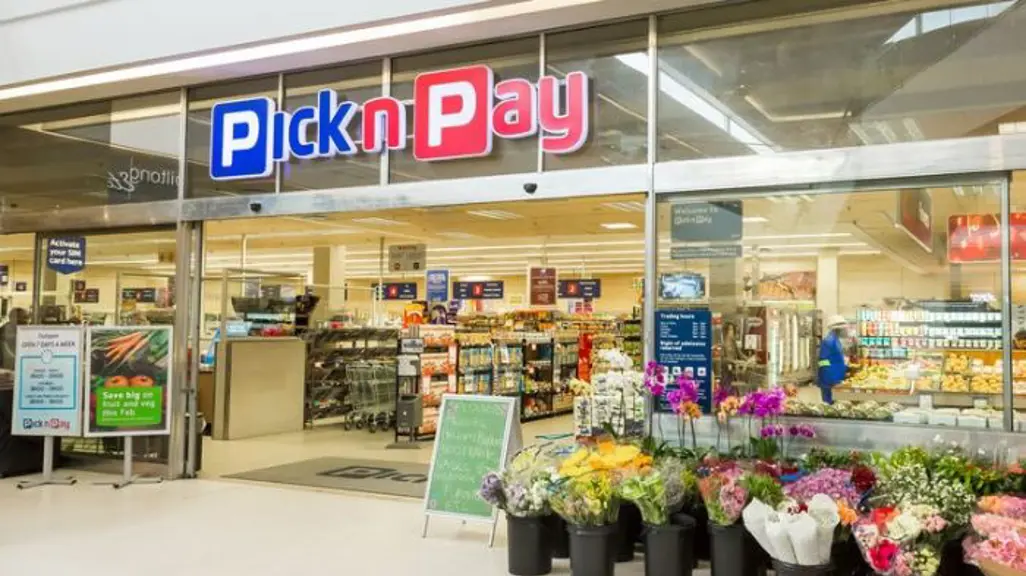
Picture: © Michael Turner/123rf.com
Pick n Pay's 22,000 store workers face changes to their employee conditions after it launched a Section 189 process.
The retailer says consultations with labour union SACCAWU and other representative parties include scheduling flexibility and the alignment of benefits and allowances, which are "not in line with market practices and peer benchmarks".
The proposed adjustments include more full-time staff working on weekends, and reducing Sunday pay, reports News24.
Pick n Pay emphasizes that the objective is not to reduce head count. In a sens statement it says the aim is rather to improve labour flexibility and cost sustainability - this while retaining jobs and creating conditions needed for sustainable employment growth over the longer term.
"The consultation is focused on addressing labour practices... which are no longer aligned with prevailing retail market practice. It forms part of the strategic action underway to restore the Company to sustainable profitability and to strengthen the long-term competitiveness of its core supermarket business."
In conversation with Stephen Grootes, the retail analyst known as the Finance Ghost says embarking on a Section 189 process is just a symptom of a much bigger problem that is facing the group right now.
He remarks on the growing divergence in the sector over the last few years which illustrates just how competitive grocery is, with the winners winning big and the losers conversely losing big.
"If you'd put a hundred bucks into each of Pick n Pay, Shoprite, Woolworths and Spar five years ago (ignoring dividends); Shoprite would have almost doubled you to R191, with Woolies you'd be flat around R103, with Pick n Pay you'd now have about R40 left, and then Spar I'm afraid you'd be buying Chappies with only R33 left."
Pick n Pay is being squeezed by competitors particularly, because it does not have a key differentiator, says the analyst.
"A company that is successful is not trying to do Section 189 processes to reduce the cost of its employees - you're not seeing that coming out of the likes of Shoprite and it's because Pick n Pay is just getting squeezed; they don't really have a moat."
The Finance Ghost is bearish about outlook for Pick n Pay: "In their current form I don't see how they turn it around", he says.
Scroll up to the audio player to listen to the retail analyst's analysis